







Search Results for: roasted caramel flavored latte

How to Choose Latte Beans by Roast Level: Milk Coffee Performance of Light, Medium, and Dark Roasts
Latte doesn't have to be made with dark roast coffee beans. Once milk is added, the acidity and aroma of the coffee become softer, while the sweetness and smoothness become more pronounced, so different roast levels can all produce milk coffees with distinct personalities. When choosing, you can first imagine whether you want to taste fruity notes, caramel, or a rich flavor like dark chocolate. Roasting [more…]
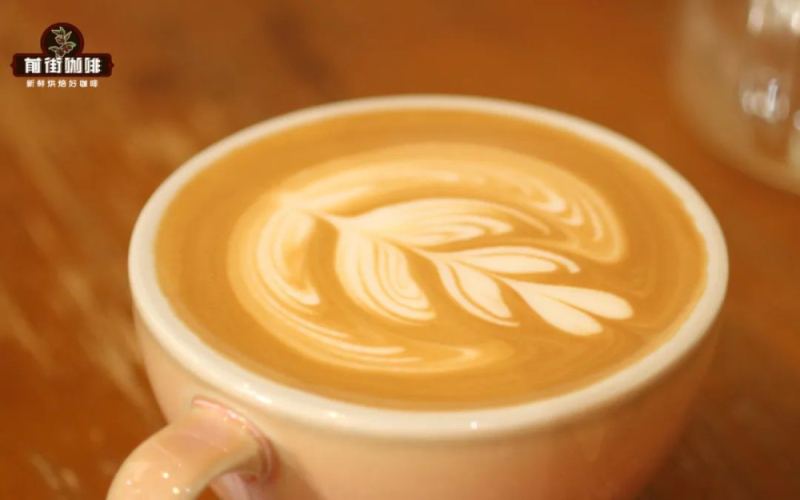
How to Make a Delicious Latte? A Detailed Guide to Espresso Blend Bean Selection and Espresso-to-Milk Ratios
Latte is one of the most frequently ordered espresso drinks in coffee shops, but a delicious latte requires attention to every step, from choosing coffee beans to steaming milk. This article begins with the history of latte, explains the roasting direction for coffee beans suitable for making lattes, introduces the flavor characteristics of Front Street Classic Blend, Dark Cocoa Base Blend, and several SOE single-origin beans, and breaks down in detail Front Street's 1:6.5 ratio of espresso to milk, the extraction recipe of 20g dose, 27 seconds, and 40g espresso yield, as well as the key points of milk frothing capacity, angle, stages, and temperature control, helping you recreate a smooth latte with lasting chocolate and caramel flavors at home. [more…]
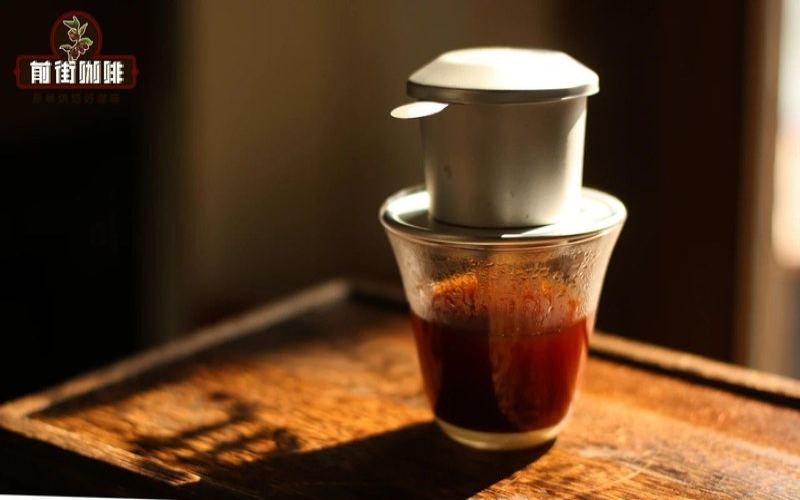
What roast level should you choose for a latte? Exploring flavors from light to dark roast
The core of a latte is espresso and milk, and the roast level of the beans determines how prominently the coffee comes through in the milk. Light roasts tend to retain livelier acidity and fruity notes, medium roasts easily bring out sweetness and a rounder mouthfeel, while dark roasts lean toward cocoa, nutty, and roasted aromas. If you want to choose with ease, you can first determine whether you want your latte to be more [more…]

The Making Method of Starbucks Caramel Macchiato, How to Drink It, and an Analysis of Its Core Differences from a Latte
Caramel Macchiato is one of Starbucks' most iconic specialty coffee drinks, but many people are not clear about how it differs from a traditional Macchiato or a Latte. This article, from the perspective of Front Street Coffee, first traces the origins of the Macchiato in 1980s Italy, then explains step by step how to make a standard Macchiato using Front Street Coffee's classic espresso blend, and shares specific extraction parameters and milk frothing tips. We will then compare the similarities and differences between a Macchiato and a Caramel Macchiato, analyze the core differences between a Latte and a Macchiato in terms of milk ratio and mouthfeel, and finally provide the complete recipe and preparation process for Front Street Coffee's Latte, helping you clarify the relationship between these classic coffee drinks all at once. [more…]

Making Osmanthus Coffee at Home in Autumn: A Detailed Guide to Three Recipes—Americano, Latte, and Caramel Crème Brûlée Latte
The autumn breeze brings refreshment, and the fragrance of osmanthus fills the air—it's once again the season best suited for incorporating osmanthus into coffee. This year, Front Street Coffee has brought a richer lineup of osmanthus coffee recipes than in previous years, including the easy-to-make osmanthus Americano and osmanthus latte, as well as the more elaborate yet stunningly layered osmanthus version of the caramel crème brûlée latte. This article will explain one by one the required ingredients, the approach to selecting coffee beans, and the detailed preparation parameters and precautions for the three beverages. It will also address common questions such as whether osmanthus can be placed directly into the coffee machine for extraction and how to prevent osmanthus from turning bitter. Whether you prefer a refreshing, sugar-free Americano or are devoted to a rich, creamy latte, you'll be able to find the cup that suits you to recreate at home. [more…]
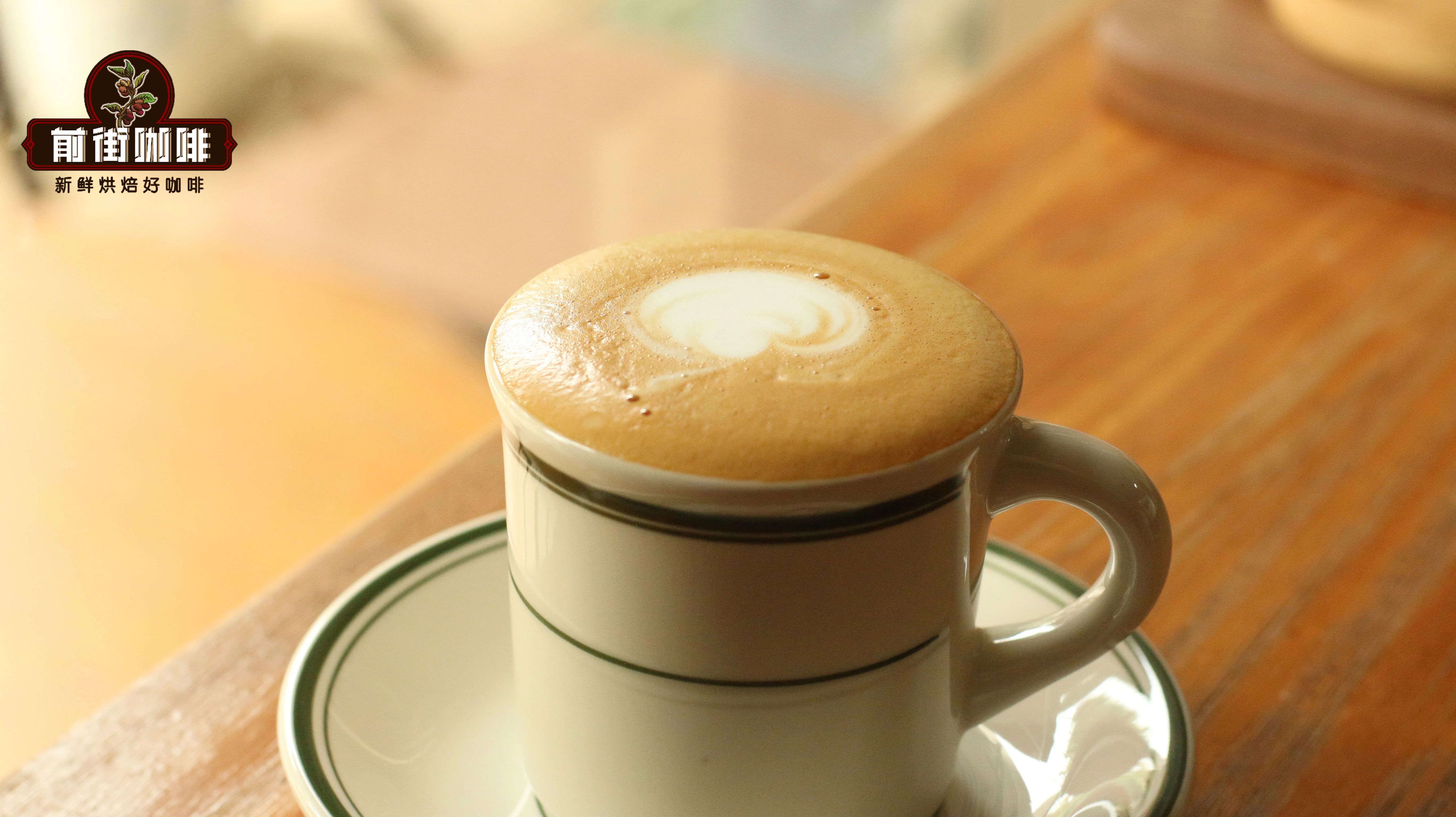
What roast level coffee beans should be used for latte? A complete analysis of milk ratios and espresso flavor
Latte and cappuccino are both classic Italian milk coffees, yet the two differ in their ingredient ratios and mouthfeel. Which roast level of coffee beans should a cup of latte actually use? How should the ratio of espresso to milk be balanced? Drawing on the practical experience of Front Street Coffee, this article systematically sorts out bean selection, extraction parameters, and milk frothing key points for latte, and includes recommendations for three popular espresso blends suitable for making milk coffee, while also comparing the production differences with cappuccino, helping coffee lovers reliably recreate a full-flavored milk coffee at home. [more…]

Caramel Macchiato Sweetness Analysis: From Espresso Macchiato to the Starbucks Classic – Preparation and Tasting Guide
Is Caramel Macchiato Actually Sweet? This classic milk coffee, introduced to the world by Starbucks in the 1990s, actually traces its roots to the traditional Italian macchiato. From the perspective of Front Street Coffee, this article explores the origins of the macchiato and the meaning of its markings, explains espresso extraction parameters, milk foam steaming techniques, and the layering method for making a caramel macchiato, and compares the differences between a macchiato and a latte in terms of ratio and taste. Whether you prefer the rich intensity of espresso or the smoothness of milk, you'll find the cup that suits you here. [more…]
How Much Espresso Is in a Latte? Cappuccino vs. Latte Flavor Differences and Front Street Coffee Espresso Bean Recommendations
Latte and cappuccino are the two most common espresso milk drinks. Both are made from espresso, milk, and milk foam, but they differ noticeably in ratio, foam thickness, and mouthfeel. How much espresso actually goes into a latte? Roughly how much caffeine does it contain? And how should the coffee-to-milk ratio be managed during preparation? This article addresses these questions, while also explaining how to choose espresso beans, extraction parameters, and the key temperature points for steaming milk. It also introduces several Front Street Coffee espresso blends suitable for making lattes, helping coffee enthusiasts create a full-flavored milk coffee at home. [more…]
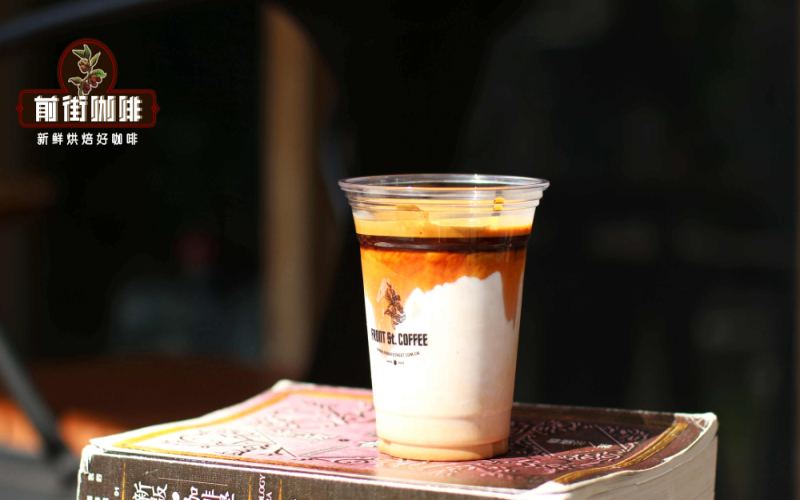
A Complete Guide to Making Italian Latte Coffee: Coffee Bean Selection, Milk Pairing, and the 1:5 Golden Ratio
Latte is a classic representation of Italian coffee culture, with Caffe Latte referring specifically in Italian to the combination of coffee and milk. A well-layered latte greets the palate first with a rich coffee aroma, followed by the interweaving of mild bitterness and milky sweetness, and finally leaves a lingering caramel aftertaste. To recreate such a flavor at home, the key lies in three aspects: choosing suitable espresso beans, selecting the right type of milk, and mastering the precise ratio of coffee to milk. This article will break down the key points of making a latte in detail, starting from the freshness, roast level, and flavor type of coffee beans, introducing the characteristics of several classic Front Street Coffee blends and SOE beans, and explaining the standards for milk selection and the golden 1:5 ratio, helping coffee enthusiasts easily make a professional-grade milk coffee. [more…]
What Is a Flat White? A Full Analysis of Its Ratios and Taste Differences Compared with Latte and Cappuccino
In the espresso family, latte, cappuccino, and mocha are often mentioned, but Flat White is rarely discussed specifically. This milk coffee, originating from Australia or New Zealand, is known for using less milk, having thinner microfoam, and delivering a stronger coffee flavor. Starting from Front Street Coffee's production standards, this article provides a detailed comparison of Flat White and latte in terms of cup volume, espresso ratio, microfoam thickness, and flavor differences, and gives specific preparation parameters and milk steaming temperatures. It also explains the roasting choices for espresso beans, as well as the suitable scenarios for several of Front Street's espresso blends, helping you find an espresso coffee solution that suits your taste. [more…]
Front Street Coffee Explains Three Espresso Blend Options: A Practical Guide to Crafting Caramel-Sweet Lattes and Black Coffee
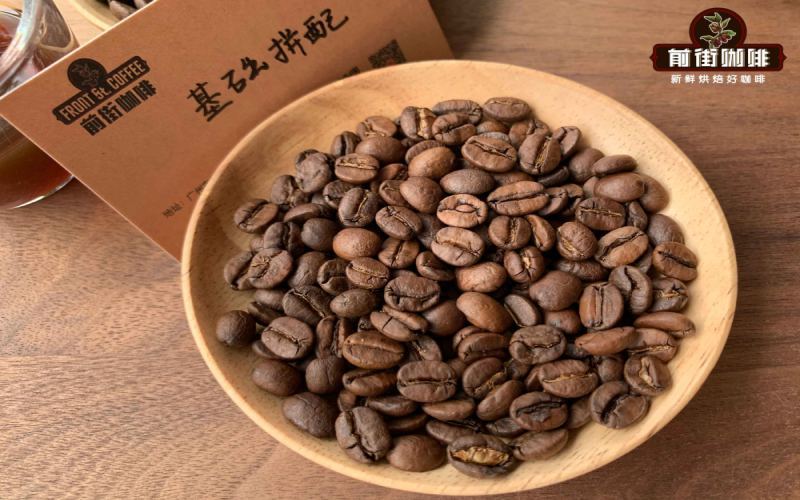
Blending coffee is not simply mixing beans together; rather, it creates a more balanced and stable flavor by leveraging the complementary strengths of beans from different origins. Starting from Front Street Coffee's three espresso blend recipes, this article systematically explains the purpose of blending, the differences between raw blending and roasted blending, the pros and cons of the SOE trend, and the roles played by bean varieties such as Colombia Huila, Brazil Cerrado, Robusta, and Yunnan AA in a blend. Whether you are looking for a daily production solution for your coffee shop or want to recreate a caramel-sweet latte or black coffee at home, you will find suitable blending ideas and practical tips here. [more…]

The Origin Story of Latte | Which Tastes Better: Iced Latte or Hot Latte? What Is the Proper Way to Drink a Latte? Which Coffee Beans Are Suitable for Making an Espresso Latte?
Among the many espresso coffee choices, if someone asks which espresso coffee has the highest milk content, Front Street Coffee will definitely answer that it is a latte, and latte is further divided into iced latte and hot latte; their methods are slightly different, but the recipe is the same [more…]

Bean Choices for Latte: From Classic Blends to Fruity Blends
The choice of beans for a latte determines the flavor direction of the final drink. From classic rich blends to fruity blends, different bean types each have their own characteristics when used in a latte. Understanding how different beans perform in a latte gives you a richer range of options when selecting beans. Classic rich blends are the traditional choice for a latte. Front Street Coffee's classic blend is made from [more…]

Roast Level Differences in Latte: How to Choose Among Three Bean Profiles
The essence of a latte is created together by coffee and milk. Milk brings sweetness, smoothness, and a soft aroma, while also muting the coffee's own acidity and subtle notes, so the roast level directly affects how present the coffee tastes in the finished cup. To make the coffee flavor stand out, look to a medium-dark roast; if you prefer a softer, sweeter taste, start with a medium roast; if [more…]

Blended Coffee Bean Recommendations | Which Coffee Beans Are Suitable for Espresso? What Are the Coffee-to-Milk Ratios for Lattes and Flat Whites?
For more specialty coffee knowledge, please follow: Front Street Coffee (Frontsteet Coffee). Coffee enthusiasts who have tried a flat white know that flat white is not served iced—if you add ice cubes, it will most likely become a latte, which means that a flat white is more [more…]
How to Choose Milk and Coffee Beans for Latte? Ratio Recipe and Front Street Espresso Blend Recommendations
Latte is one of the espresso drinks that coffee lovers consume most frequently in their daily routine. The pairing of milk and espresso looks simple, but in reality, everything from bean selection to milk frothing has its finer points. This article centers on latte coffee, first tracing its historical origins, then focusing on what kind of coffee beans to choose when making a latte—medium-dark roasted blends, single-origin SOE beans, or medium-light roasted fruity beans—and what flavor directions each one presents. It then gives Front Street's latte recipe ratio and espresso extraction parameters, and explains step by step the optimal volume for milk frothing, the position of the steam wand, and the key operating points of the two stages: aeration and texturing. Finally, it explains how integration and latte art affect the mouthfeel, while recommending specific products such as Front Street Classic Blend, Dark Cocoa Base Blend, and Queen's Estate SOE. [more…]
Choosing Latte Coffee Beans by Roast Level: A Guide from Light and Refreshing to Rich and Bold
The base of a latte is espresso, while milk provides a smooth mouthfeel and natural sweetness. Whether the coffee beans are roasted light, medium, or dark will change the aroma, acidity, and body in the cup. If you want the coffee flavor to come through more clearly, pay attention to the intensity brought by the roast; if you prefer something soft and easy to drink, focus on the beans' sweetness and body. [more…]
Light, Medium, and Dark Roasts: How to Choose for an SOE Latte
SOE can certainly make a delicious latte, and its appeal isn't just in the words "single origin." Once the espresso is mixed with milk, the roast level directly shapes the character of the whole cup: light roasts are livelier, medium roasts are more balanced, and dark roasts are richer. To find a combination that suits your taste, you can start with your preferred roast. [more…]
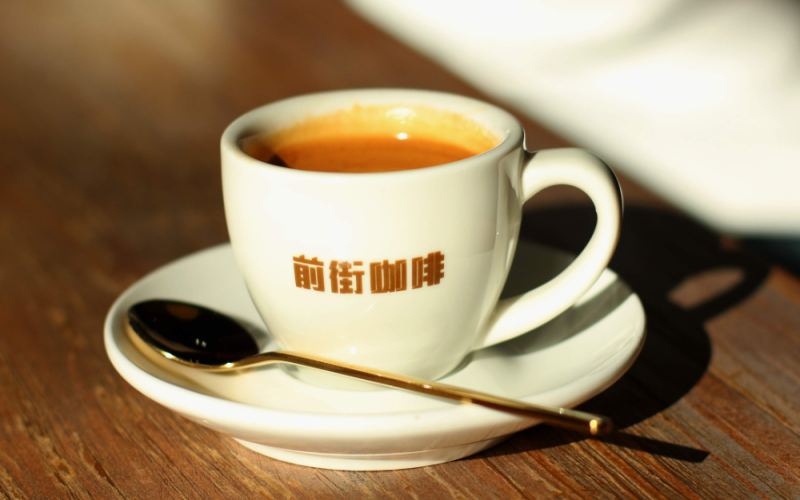
How to Choose Coffee Beans for Lattes? The Real Impact of Italian Roast Levels on Milk Coffee Flavor and Recommendations
To make a delicious latte at home, choosing the right espresso beans is a key step. Beyond considering the beans' own flavor, body, and balance of acidity and bitterness, you also need to look at how well they pair with milk. This article starts with how the roast level affects latte taste, explaining why medium-dark roasts are better suited to milk, while also sharing the importance of freshness for flavor, and selecting three of Front Street Coffee's best-selling espresso blends, covering different styles from dark roast to medium roast, to help you find the best everyday choice for making milk coffee. [more…]

Analysis of Concentration Differences Between Flat White and Latte: A Guide to Choosing Espresso Blend Beans
Which is actually more intense, a flat white or a latte? What differences do the two have in espresso base, milk foam thickness, and cup size? Starting from the serving standards of Front Street Coffee, this article compares the preparation parameters of flat whites and lattes in detail, and further explores what kind of blend beans are suitable for espresso. The article also introduces the flavor characteristics and formula ratios of four espresso beans from Front Street—Sunflower Warm Sun, Specialty Blend, Commercial Blend, and Dark Cocoa Blend—to help coffee lovers choose the right espresso beans according to their personal taste. [more…]